Introduction: A Rainy Night, A Crowded Field, And A Flicker
You rush to set up a light show by the lake. Clouds roll in. Wind picks up. An outdoor laser projector manufacturer promises “weatherproof,” but the lens fogs, and the beam fades just when the crowd starts cheering. In trials across event sites, up to 35% of failures trace to moisture ingress, thermal drift, or cheap power converters—and that’s before the second season even starts. People search for laser lights for outside thinking it’s plug-and-play, like plug and jalan only, but the field is harsher than it looks. So, how do you tell durable from disposable, and specs from marketing gloss? (And can your crew rely on it when the weather turns?) Let’s break it down, side by side, and see where the real gaps live—then how to close them.
The Hidden Friction Behind “Weatherproof” Claims
Why do outdoor units fail early?
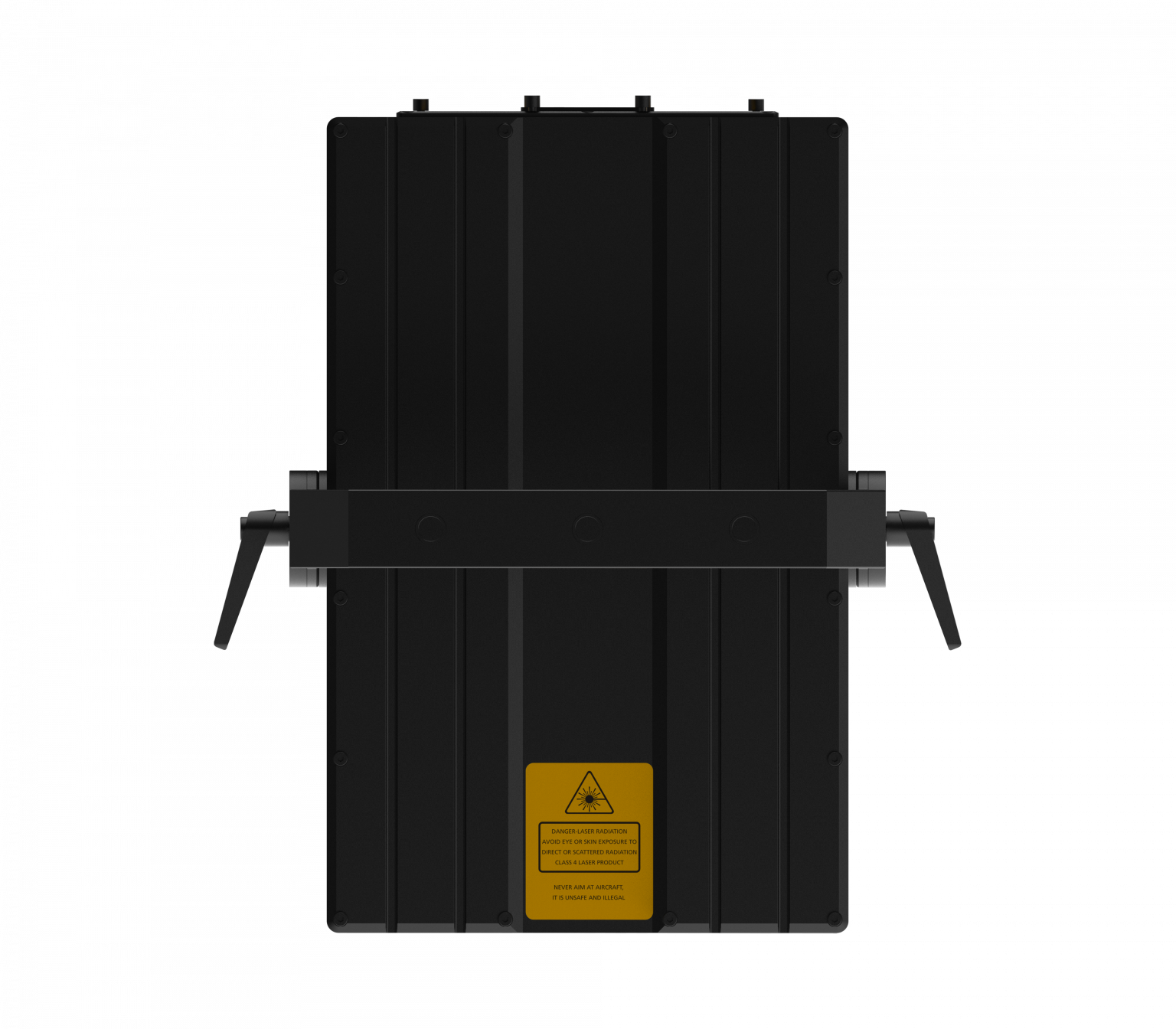
Look, it’s simpler than you think—and also not. Many “laser lights for outside” ship with IP65 labels, but seals degrade after heat cycles. That’s where condensation sneaks in. Galvo scanners get sticky. Beam divergence creeps in fog. Then the diode current derates under load. If the thermal path is poor, even a robust module runs hot and drops output. And when power converters throw electrical noise, your DMX/Art-Net signal starts acting like a haunted house.
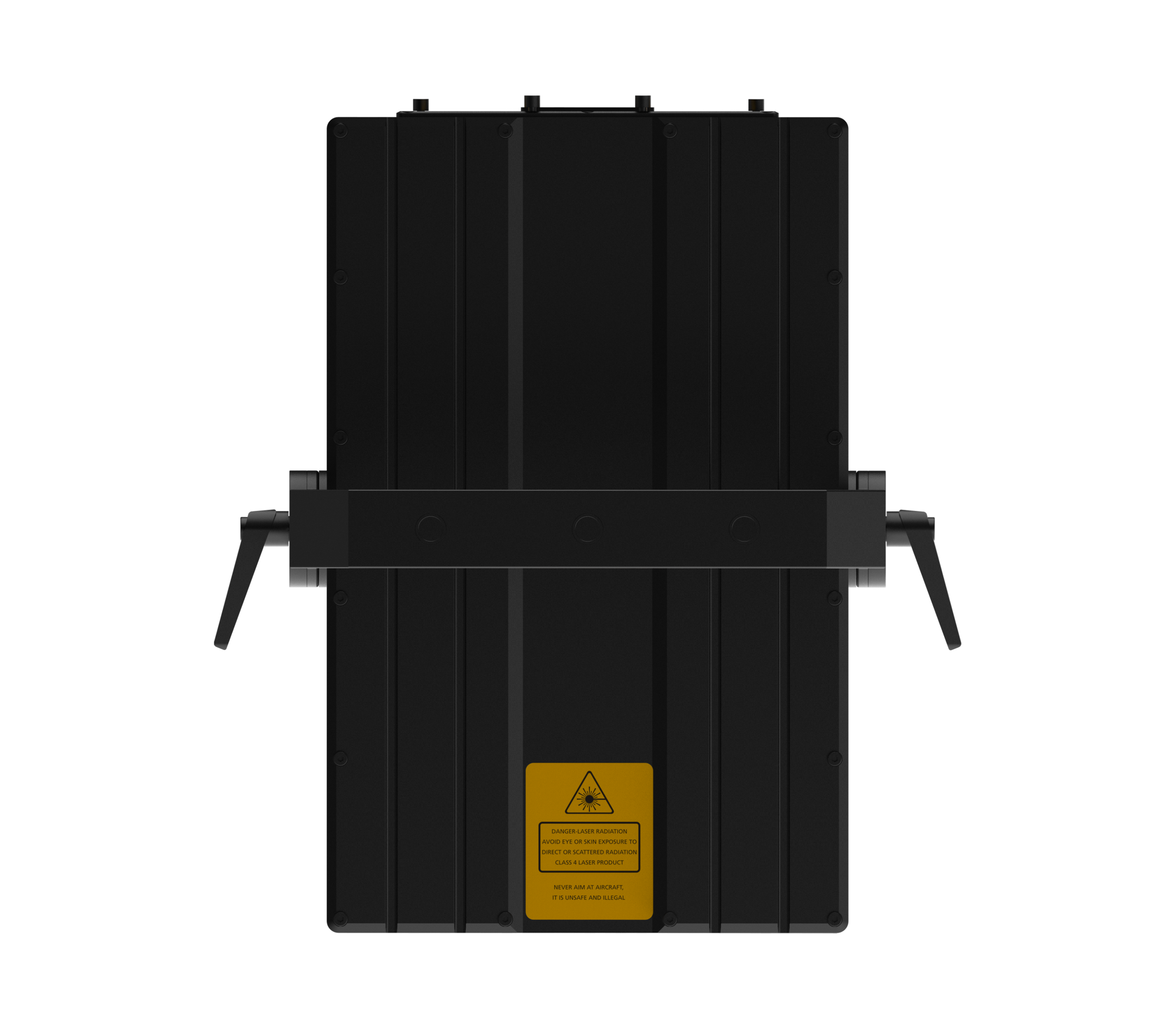
Another pain point: calibration in the wild. Mounting brackets flex. A small knock from transport shifts aim by milliradians. You see it as jitter on long throws. Meanwhile, the “smart” control board lags because it was never designed to sit near edge computing nodes on-site. It’s fine in the lab—funny how that works, right?—but the field adds rain, dust, and operator changeovers. Without sealed connectors, real thermal management, and scan safety interlocks, the spec sheet means little when the wind hits 20 knots and the show must go on.
Comparative Insight: What’s Next And What to Compare
New design principles change the game. Some makers now use conformal-coated PCBs, vapor barriers, and pressure-equalizing vents. These sound small, but together they keep humidity from clouding optics. Others move to closed-loop temperature control, tracking diode temp and tuning current in real time. Pair that with low-noise power stages and better EMI shielding, and your signal path stays clean even when generators surge. For long runs, better beam shaping and tighter galvo tuning hold edges at distance. When you test outdoor projector laser lights with a handheld meter, you’ll see it: less flicker, more stable output, and safer cutoff when a beam crosses the audience zone.
Real-world impact shows up on the ground. One waterfront show moved from a mixed-brand rig to a platform with IP67 housings, sealed connectors, and active defog. Result: fewer resets, smoother alignment, and a cleaner scan after midnight dew. The crew reported 40% less setup time by month two—because the mounts held zero and the UI matched their workflow. Small win, big effect. And you spend more time on creative cues, less on triage. This is the quiet story behind the specs—where the right stack makes the night look easy.
To choose well, use three checks that cut through the noise. 1) Environment proofing: ask for test data on ingress protection, salt fog, and thermal cycles, plus how the seals are maintained over time. 2) Control integrity: verify EMI shielding, DMX/Art-Net reliability, and log files you can audit (if something drifts, you want the why). 3) Optics and safety: measure beam divergence at range, check scan safety interlocks, and confirm factory calibration procedures. If a maker can show this, you’ll feel it on-site—fewer calls, fewer surprises. In the end, pick with your field needs in mind, not just the brochure. That’s how you keep the crowd smiling and the gear steady, night after night. For a reference point on this space, see Showven Laser.