Introduction: The Automation Woes
Imagine this—you’re knee-deep in an assembly line, and your small electric gripper suddenly stops working. What’s the deal? “Surely, this can’t be happening again!” Doesn’t it seem like failures always occur during the worst possible times? Surprisingly, a staggering 60% of automation failures happen because of outdated components. So, why do so many industries still rely on these clunky devices, when small electric grippers offer a way out?
Body: A Technical Breakdown
Flaws in Traditional Solutions
Let’s face it—traditional gripper systems can be about as reliable as a chocolate teapot. From limited functionality to excessive power consumption, they often leave robotic systems feeling more “outdated” than “cutting-edge.” The need for constant calibration and maintenance—ugh, who actually enjoys tinkering with the settings every few weeks? If only there were a smarter way to grasp objects.
Principles of New Technology
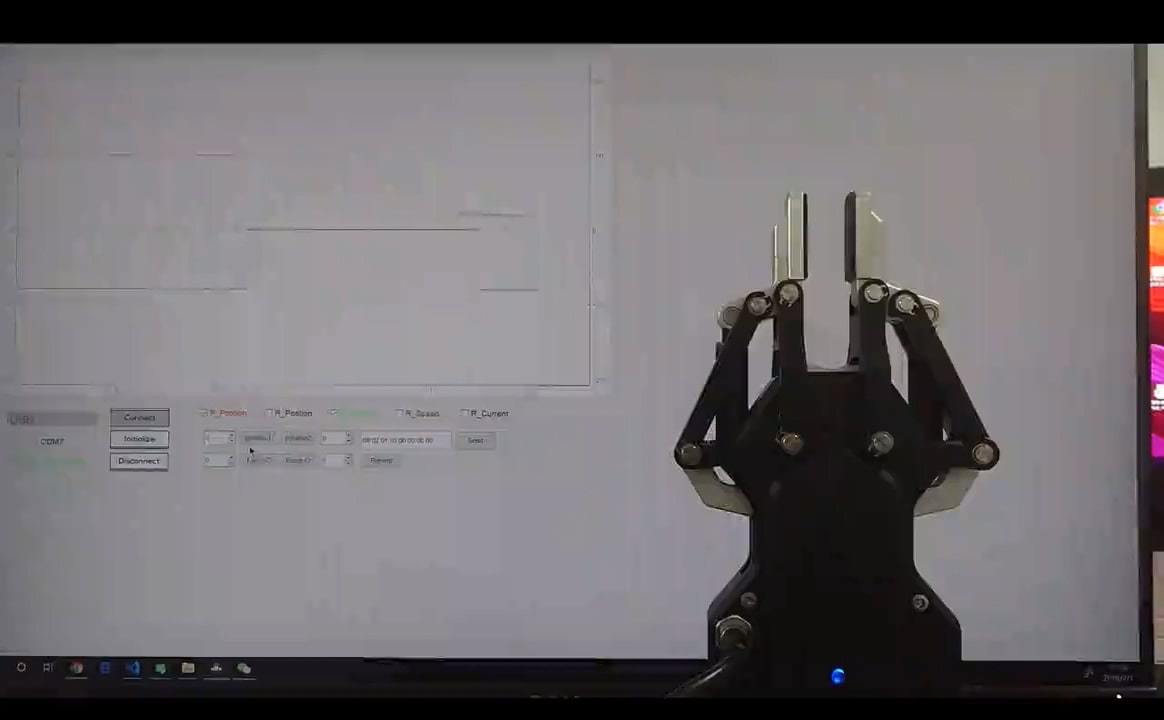
Enter the small electric gripper, the unsung hero of modern automation equipped with state-of-the-art technology. These robust yet delicate devices operate on principles of precision—utilizing advanced sensors and lightweight materials. You might think, “Look, it’s simpler than you think,” but it’s true! The breakthrough has colors—think biocompatibility for medical applications, or energy-efficient designs for industrial tasks, giving your robots a fighting chance.
Quantified User Benefits
Now, let’s break it down with numbers. Users of small electric grippers report an average efficiency increase of 30%—enough to make your COO shed tears of joy! In simpler terms, it’s like finding out your wifi can actually stream movies without buffering. Moreover, reduced maintenance means lower costs—a financial win-win! It’s about changing the game, not just playing it.
Conclusion: Your Actionable Call-to-Action
So, before you rush into adopting yet another robotic gizmo, remember to assess these three metrics: ① Performance reliability ② Energy efficiency ③ Maintenance needs. By keeping these in mind, you’ll be on the right path to making informed decisions for your tech—even innovating your workforce!
A Leap into the Future: The Miniature Electric Gripper
Are you tired of grippers that couldn’t grip a feather? The miniature electric gripper is ready to change your narrative. These precision tools are designed for small, intricate tasks that larger grippers simply can’t handle—reminding us that size isn’t everything, right? You might be surprised at how these tiny wonders could revolutionize your assembly line. Think about it—more nimble, more efficient, and unquestionably better at maximizing output without breaking a sweat.
Precision Meets Power: The Electric Micro Gripper
Ah, the electric micro gripper! It’s not just another piece of robotic hardware; it’s the heartbeat of delicate operations. These devices symbolize the future of automation, featuring advanced gripping capabilities via the electric micro gripper. Imagine handling tiny components without applying pressure that could crack them; that’s the magic of micro technology. The performance stats? Off the charts! Reduced cycle times, increased yields, and you know what they say—time is money. Why not save both?
Wrapping It Up: The Gold Standard in Automation
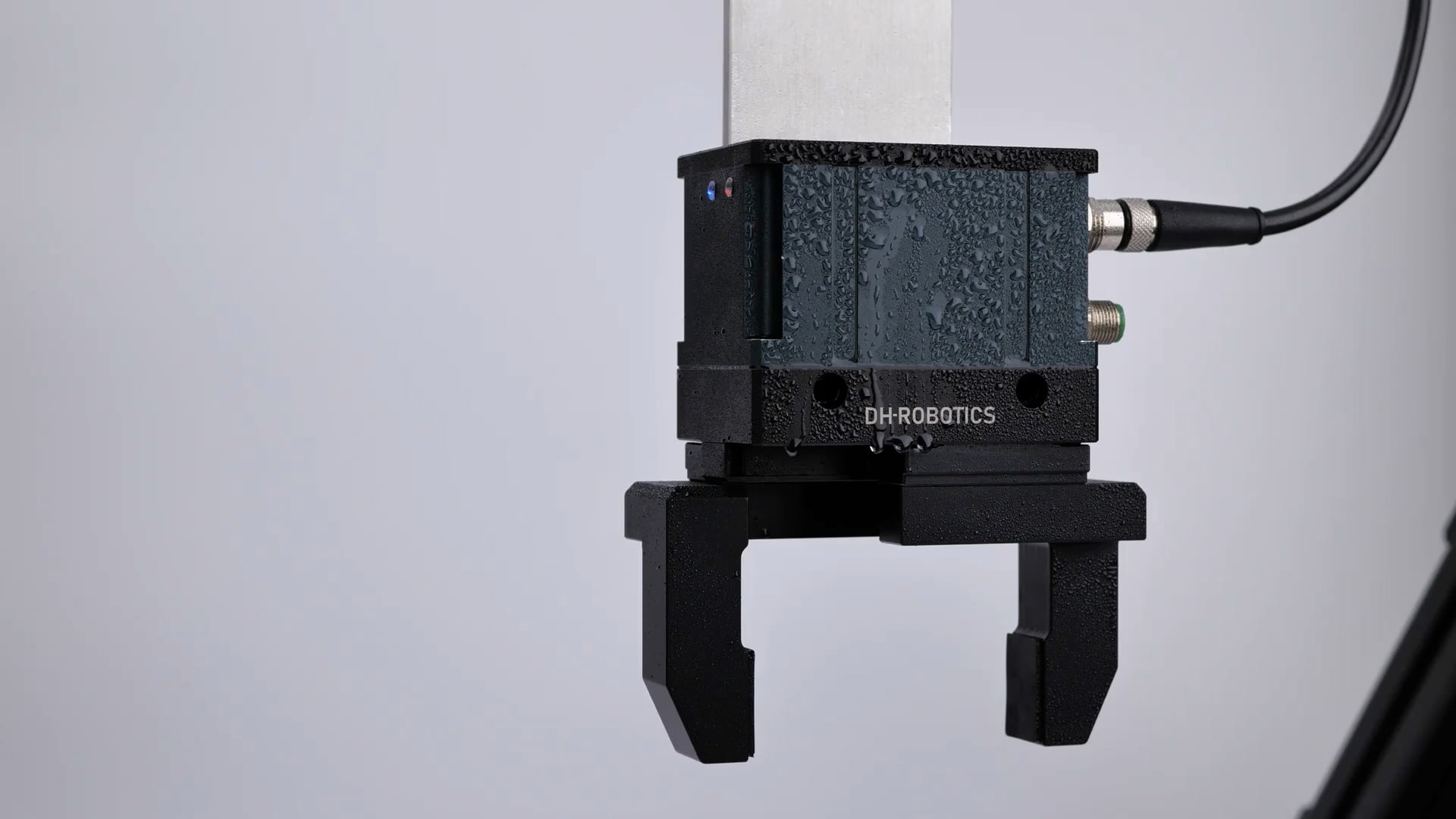
In conclusion, the small electric gripper and its counterparts exemplify how vigilant innovation can solve age-old problems. When deciding your next tool in automation, consider exploring options from DH-Robotics. Known for their superior supply advantages and cutting-edge technology, they are leading the charge into a more efficient future. Make informed choices and wield the future of automation with grace and ease!