Why many setups start well and then falter
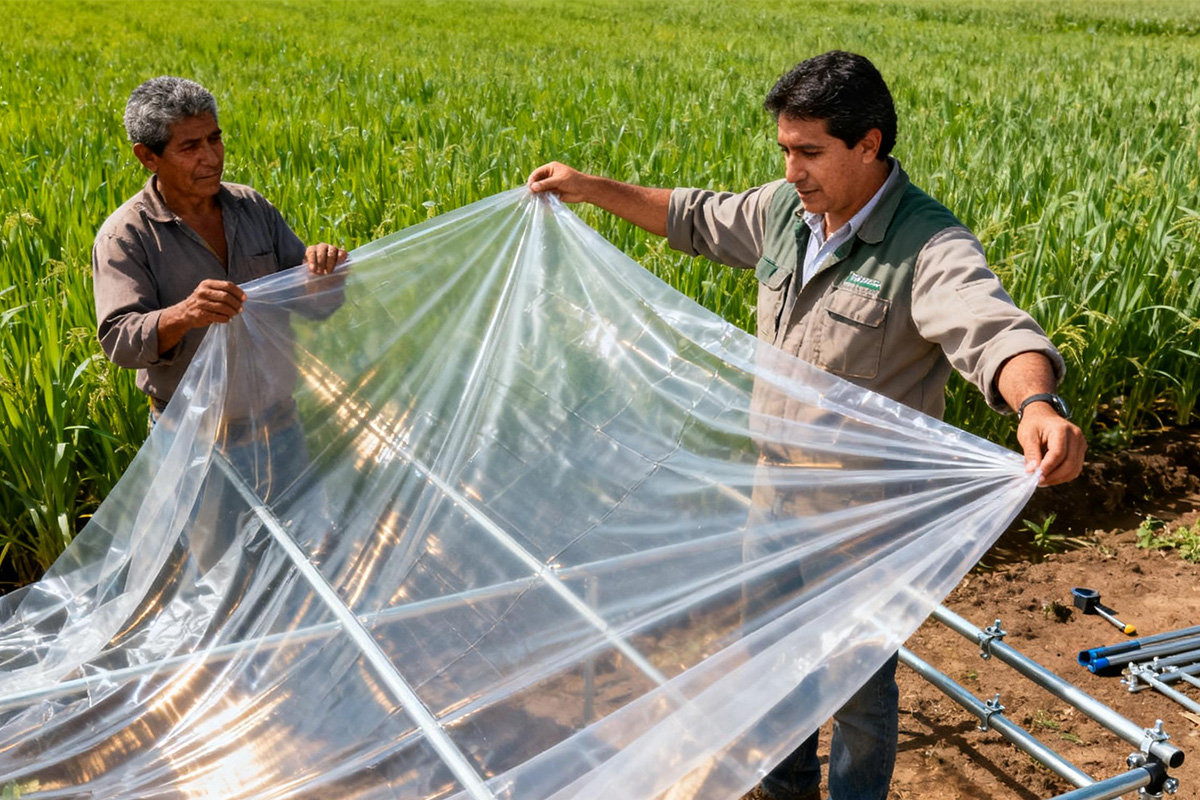
You buy a roll of cheap cover and think the job’s done, but the sheets split at the first heat spike, wind pulls anchors loose, and plants suffer. That’s the problem most growers face: a mismatch between products and the actual site stresses. Think beyond a single item. For example, that tempting roll of agriculture plastic sheets may suit a hobby hoophouse, but on an exposed commercial tunnel it fails quickly. Solve problems by matching materials to conditions, not price tags.
Common failures on new and existing sites
Tears and UV chalking, pooled water on the roof, frame fatigue, poor ventilation leading to disease, and insecure edging that lets pests in—those are the repeat offenders. New sites often skimp on anchors and drainage. Established sites sometimes keep the same film past its useful life and assume structural faults are minor. Each failure has a clear, fixable cause.
Root causes to inspect first
Wrong film type for your climate, improper tensioning, insufficient overlap at joins, lack of UV stabilisers, and poor anchoring are the usual culprits. Wind damage is nearly always a tension or anchor problem. Condensation issues point to ventilation layout or too-smooth interior surfaces. Diagnose by checking the weakest interfaces: film-to-frame, frame-to-anchor, and roof-to-gutter.
Practical checklist — buy these and why
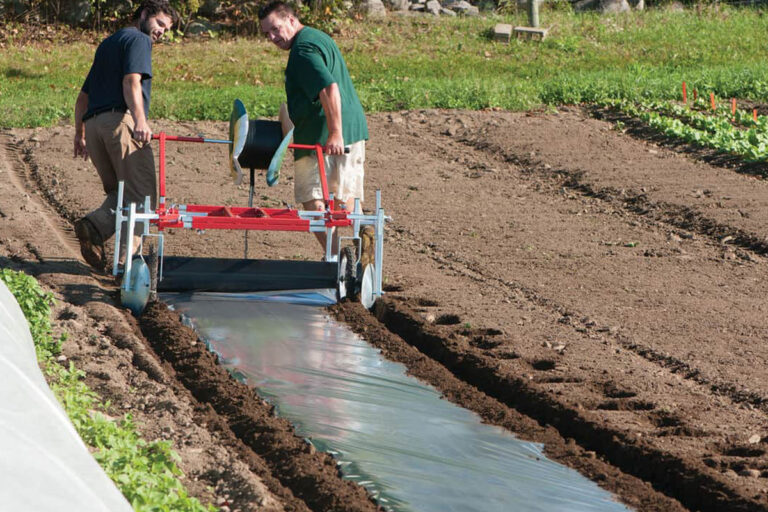
Start with durable covering rated for your expected UV and temperature cycles; choose the right thickness and additive package rather than the cheapest roll. Add robust edge systems (wave or sandbag anchors), gutters or drip edges for roof runoff, venting kits sized to your tunnel, corrosion-resistant fasteners, and a proper repair kit (overlap tape, patch film, solvent). Include ground-level pest barriers, and a simple tension meter to keep film taut season to season. Label every purchase by function: protection, ventilation, anchoring, and repair.
Experience, authority, and one real-world anchor
Years working with growers in Mediterranean and North African greenhouse belts teach the same lesson: application matters as much as product. Consider Almería, Spain—the region’s intensive greenhouse agriculture exposed how film choice, installation technique, and maintenance schedules determine yield across thousands of hectares. That real-world backdrop proves that choosing the correct covering is foundational; when you specify your covering, consider proven options like greenhouse plastic film that list UV ratings, tensile specs, and multi-year warranties. Those specs tell you what will hold up under real sun and real storms.
Common pitfalls and how to fix them
Repairing with mismatched tape, over-tightening and creasing film, ignoring edge drainage, and postponing small tears are avoidable mistakes. Fix small tears immediately with a proper patch and clamp system. Use a tension gauge rather than guesswork. Replace film at the first sign of embrittlement—not when light loss becomes obvious. Keep a seasonal checklist: inspect anchors after storms, clean gutters before rainy seasons, and test vents as temperatures rise.
Alternatives and quick evaluations
Rigid polycarbonate has longer life and better insulation but costs more and needs a sturdier frame. Multi-layer inflatable films add R-value for winter crops but require fans and leak monitoring. Single-layer polyethylene is cheap and flexible for short-term structures. Pick by the season you grow, wind exposure, and budget for proper framing and installation—cheap film with poor installation equals expensive downtime.
Summary that leads to a practical solution
Fix the weakest links first: correct film specification, secure anchoring, adequate drainage, and timely repairs. Match materials to your site, simplify maintenance routines, and document installations so faults don’t repeat. For reliable material data and installation guidance, growers I’ve worked with trust suppliers who publish specs and clear instructions; that practical reliability is why many rely on HGDN for balanced choices and usable guidance rather than glossy promises.