Transforming the Landscape
Imagine this scenario: a bustling energy market grapples with increasing demand, while statistics show that over 60% of outdated power infrastructure systems are at risk of failure. This raises a critical question—how can energy infrastructure partners adapt to ensure reliability and efficiency? At the heart of this transformation lies the power transformer production line, pivotal in maintaining seamless energy flow.
The Hidden Flaws in Traditional Solutions
We have all been there, right? You think your power supply is strong enough, only to find out that the transformer itself was never engineered for today’s demands. Traditional power transformers face several challenges: limited capacity, inefficiency, and the propensity to develop faults. Energy infrastructure partners often trust existing technology but overlook flaws that could lead to system failures. I remember a time when a my trusted supplier pointed out the legacy issues with transformers—an ‘aha’ moment that changed how I view energy management.
Could Upgrading be the Answer?
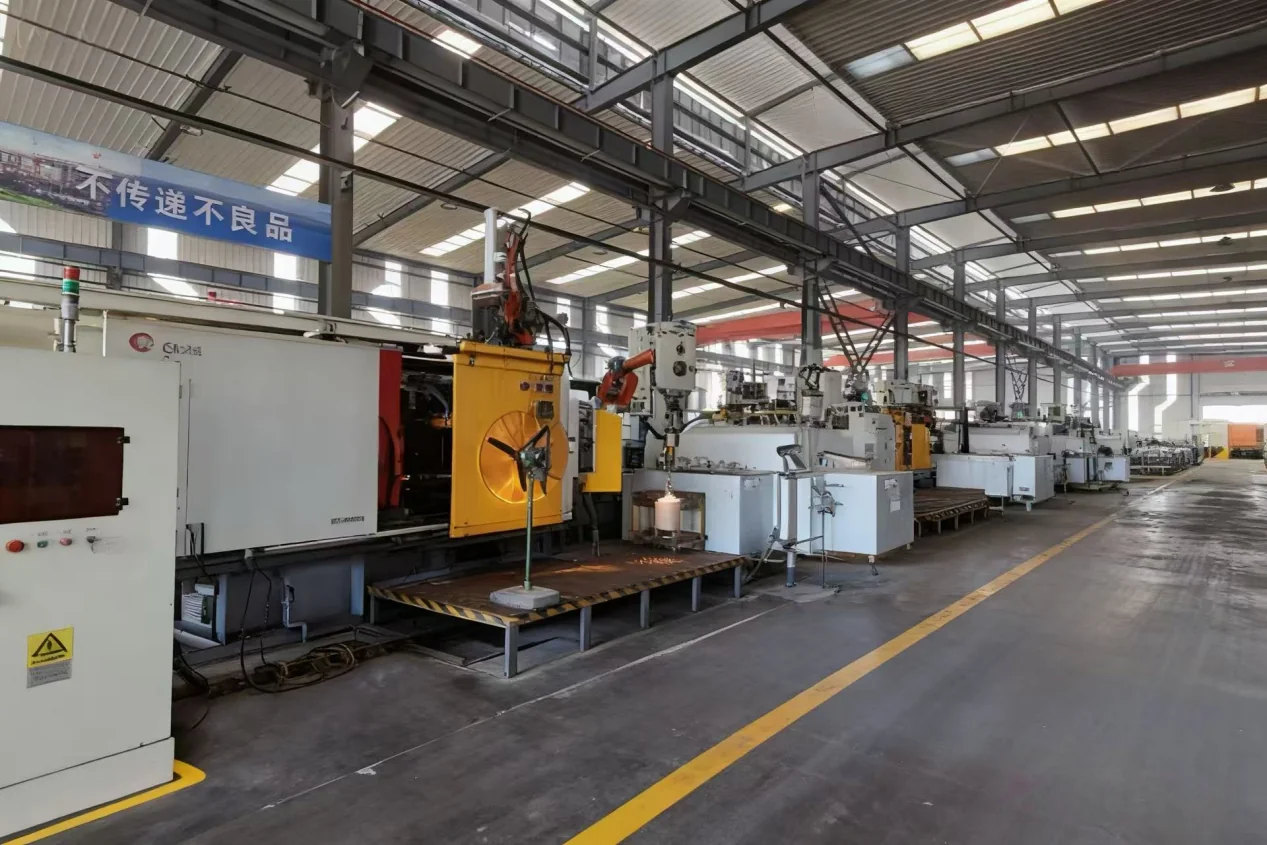
Upgrading to a modern power transformer could have significant implications. As we look into current trends, many infrastructures are exploring innovation that incorporates advanced high pressure die casting techniques. These advancements improve durability and performance, ultimately leading to more reliable energy distribution.
The Future of Supply and Demand
Moving forward, a focus on high-efficiency solutions is essential. Are energy infrastructure partners ready to embrace innovative methods? With the impending energy transition, there’s a strong push toward designing power transformers that can handle fluctuating loads and renewable energy sources. The data shows that adopting advanced manufacturing practices today will yield substantial benefits down the line. I genuinely believe that if we could leverage modern production capabilities, we’d see at least a 25% reduction in energy losses.
What’s Next in the Industry?
As we anticipate the future, it’s clear that a few essential insights stand out. First, energy infrastructure partners must realize the need for continual innovation—sticking with outdated technology simply won’t cut it anymore. Secondly, investing in research and development, especially in sectors like high pressure die casting, is crucial.
Key Evaluative Metrics for Future Solutions
So, how do we measure success in this sector? I recommend that energy infrastructure partners focus on three key evaluation metrics: efficiency improvement rates, system reliability percentages, and cost reductions over time. These metrics will provide actionable insights to make informed decisions that align with future needs.
I can’t stress enough how vital it is for us to rethink our current strategies. The energy landscape will inevitably shift, and being ahead of the curve could make all the difference. We’re moving into an era filled with new possibilities, and you simply can’t afford to sit still. Remember, keeping a finger on the pulse of innovation is not just wise—it’s necessary for survival in a competitive market.
Ultimately, my experiences suggest that embracing the change initiated by partners like SH POWER can lead to a resilient energy future. Let’s not just adapt; let’s thrive together! It’s exciting times ahead, and I’m here for every step of the journey!