Introduction
I remember stepping into a small clinic in Wellington that had just installed a fancy new red light rig — the room smelled faintly of ozone and coffee, and the tech looked flash as. In that moment I realised how many clinics and studios chase the latest advanced red light technology without really testing the basics first. Recent uptake figures show clinics adopting photobiomodulation tech at a brisk clip (roughly one in four clinics in some regions last year), so the stakes are real — and I ask: are we jumping before we check the wiring? Look, I’m not trying to be a naysayer; I’m just cautious — we’ve all seen shiny gear cause more headaches than gains. Let’s unpack where things might go sideways and why you should care.
Deeper Issues: Why Old Fixes Fail
What’s the core problem?
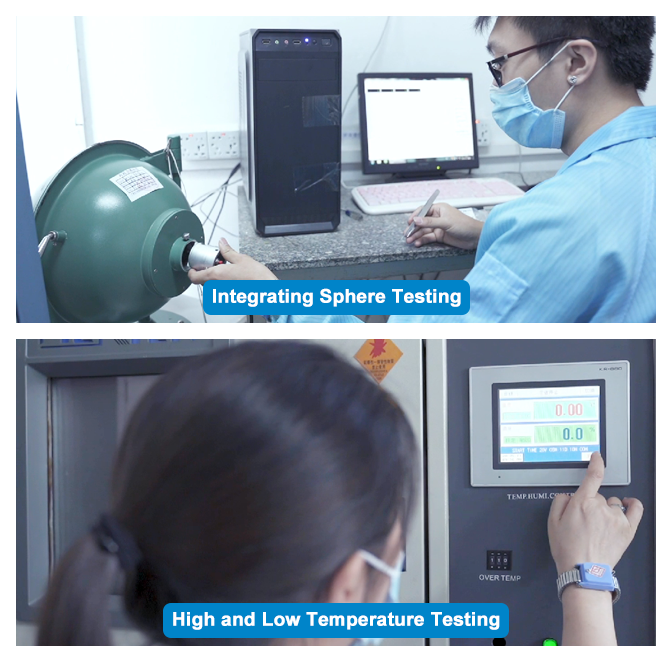
I dug into a stack of customer notes and product tests — and the pattern kept repeating. Even when people consult red light therapy bed reviews early on, the usual solutions still miss crucial points. Manufacturers often patch firmware, swap LEDs, or tweak power converters without addressing system-level mismatches. The result? Devices that heat up, drift in wavelength, or underdeliver on therapeutic irradiance. I’ve seen setups where LED spectral density was quoted proudly, but wavelength calibration was off by enough to change clinical outcomes. That’s frustrating for practitioners and clients alike — and it’s avoidable.
Thermal management is another sore spot. Folks fixate on output numbers and ignore heat paths. Edge computing nodes and smart controls can help monitor and balance load, yet many installs skip them to save a few bucks (short-term gain; long-term regret). From my hands-on checks, wiring looms and cheap power converters are often the weak link. I’ll be blunt: the old “just slap in the new panel” approach doesn’t cut it. If the system isn’t engineered end-to-end — optics, electronics, and cooling — you get inconsistent therapy sessions, higher maintenance, and unhappy clients. — funny how that works, right?
Future Outlook: Where We Go From Here
Looking ahead, I’d frame the next phase as pragmatic refinement rather than hype. For clinics and designers, that means blending new technology principles with rigorous validation. I’m talking about better wavelength calibration routines, integrated thermal management, and diagnostics that flag drift before sessions go pear-shaped. When I scan recent reports and trials — and yes, I cross-check with red light therapy bed reviews again — the winners are the systems that combine smart sensors with user-friendly controls. They don’t need to be sexy; they need to be reliable. Short bursts of automated calibration, periodic LED spectral density checks, and logged session data make a real difference. — honestly, that small shift saves time and builds trust.
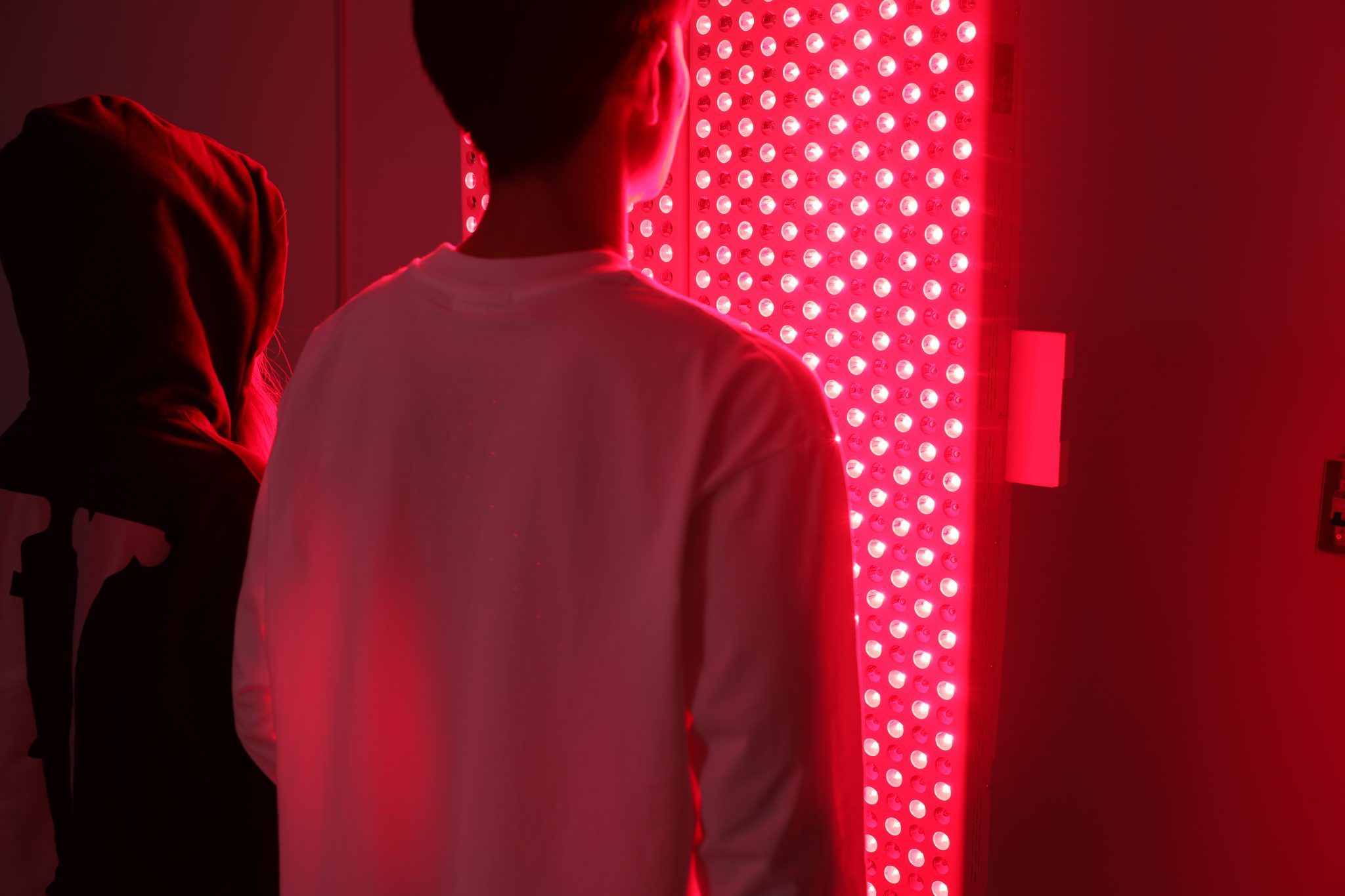
So how do you choose? Here are three practical metrics I use when evaluating systems: 1) True output fidelity — measured irradiance and wavelength calibration over time; 2) System integrity — quality of power converters, thermal paths, and enclosure design; 3) Operational transparency — diagnostics, logs, and serviceability. I’d advise testing each metric under real-use conditions, not just relying on lab sheets. I’ve helped teams run those tests; we see measurable uptime improvements and fewer warranty calls. If you want a partner who gets the nitty-gritty, consider checking brands that back their specs with independent data. For me, reliability beats flash every time. Magique Power