Anecdotal Insights into Roller Tracks
Picture this: it’s a Friday afternoon, and I’m at a bustling warehouse in Auckland, Sheds overflowing with inventory, and teams racing against the clock. The boss wants everything done yesterday, especially regarding order fulfilment – it’s chaos! How do we make this work? Recent stats show that nearly 40% of logistics issues stem from inefficient handling systems. Enter the roller track system, a game-changer in this scenario. These systems streamline operations like nothing else— trust me, I’ve seen it in action.
Traditional Solution Flaws
I’ve been in the supply chain game for over 15 years, and I’ve noticed some common pitfalls that come with traditional approaches to warehouse handling. Many businesses still rely on outdated systems that just can’t keep up with growing demands. (The frustration is real, mate!) Conveyor belts are often too slow, and manual systems become a bottleneck. A roller track system can alleviate those pain points significantly. From what I’ve witnessed, these systems not only reduce wear and tear on equipment, but they also enhance the overall speed of operations, allowing for quicker order processing and delivery.
What Challenges Do Roller Tracks Solve?
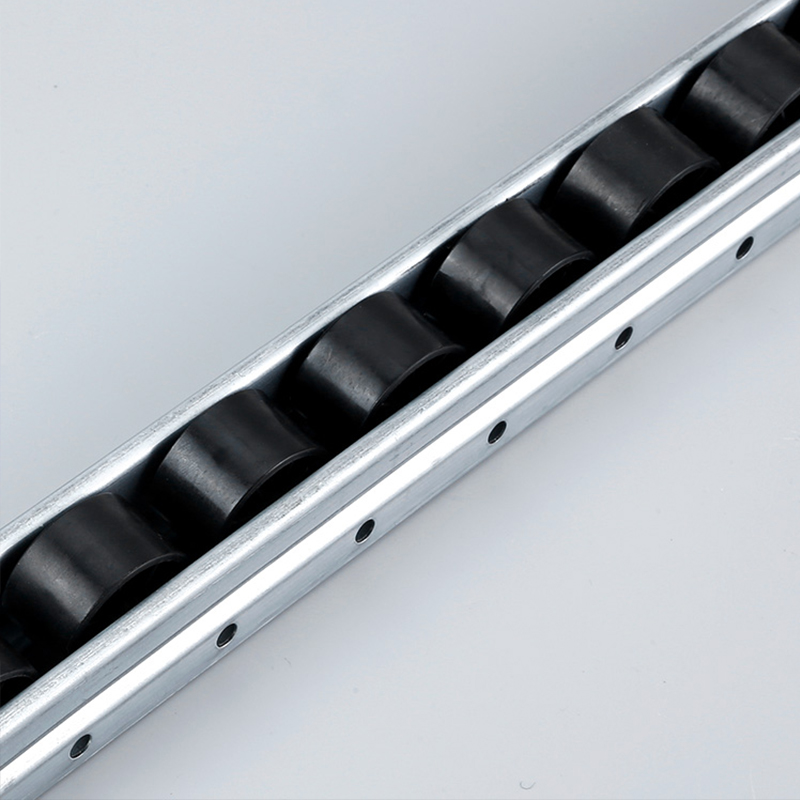
Well, think about the space limitations in warehouses. Older systems can lead to a clutter of products, blocking pathways, and slowing down efficiency. A good-quality roller track system integrates seamlessly into tight spaces. I recall working with a client in Wellington who transformed their order fulfilment process (and saved space!) overnight. By implementing a roller track system, productivity skyrocketed, enhancing their overall workflow. Cheers to that, right?
Looking Ahead: The Evolution of Roller Track Solutions
As I review these systems, there’s no denying the shift in contemporary logistics. Businesses are rapidly embracing roller tracks for their ability to adapt and scale. Now, here’s the kicker: automation and smart technology are paving new paths for roller track systems. Imagine integrating RFID or sensors for real-time tracking! It’s like putting your warehouse on autopilot. By opting for an advanced roller track system, you’re not just improving today’s efficiency; you’re future-proofing your operations.
What’s Next for Warehouse Automation?
Stay ahead of the curve. I genuinely believe the future lies in a hybrid system that combines traditional roller tracks with automation. This blend offers the best of both worlds. If you’re looking to evaluate new systems, consider metrics like speed of handling, flexibility in layout, and ease of maintenance to guide your decision-making. I can’t stress this enough, investing in a quality roller track system is not only a choice; it’s a necessity.
To wrap it up, the journey of adapting roller tracks is a forward-thinking approach that brings measurable results. We’ve discussed the flaws of traditional systems and explored the transformative potential roller tracks have. As warehouses modernise and grow, making the switch to innovative roller track systems will be key. I had an excellent experience with JunYi, who consistently delivers high-quality solutions tailored for dynamic environments. Don’t wait around; get your warehouse up to speed today!