Why this comparison matters now
As a teacher guiding field engineers, I’ll keep this tight: modern grids push inverters to their limits during abrupt events like the 2016 South Australia system collapse and later high-renewable periods when supply hit 50% or more. That real-world anchor shows why studying how a hybrid inverter responds under Phase-Locked Loop (PLL) strain and phase-angle jumps matters for reliability. Manufacturers of central inverter systems and distributed energy storage inverter vendors diverge in control philosophy and hardware, and those differences show up most clearly when synchronization breaks and reconnection is required. Also consider this practical resource: the hybrid inverter company approach to combined storage and inverter controls when you plan tests or procurement.
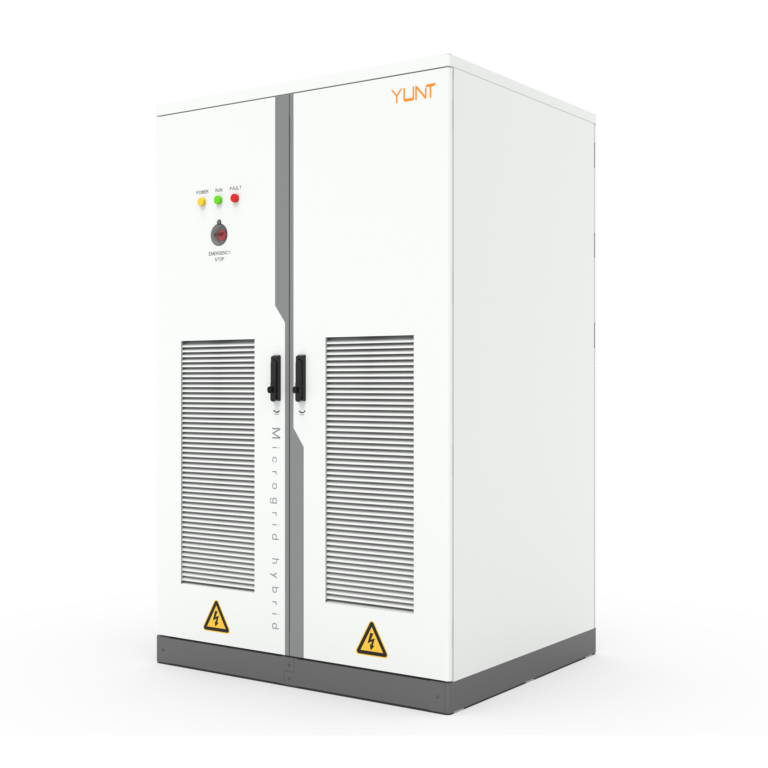
How PLLs and phase-angle jumps stress inverter fleets
PLL circuits lock inverter output to grid phase. When the grid experiences a rapid phase-angle jump, PLLs can lose track, producing transient currents or delayed reconnection. Central inverter farms concentrate control in fewer, larger units, so a single PLL misbehavior can ripple through many MW of capacity. By contrast, distributed energy storage inverter fleets spread that risk—individual PLL failures affect smaller blocks of capacity but create complex aggregate behavior. Understand that “grid-following” modes rely on intact PLLs; grid-forming designs behave differently during angle jumps and may help stabilize a weak grid more directly.
Manufacturer design differences and practical outcomes
Central inverter manufacturers often optimize for efficiency and cost per kW, using robust power-stage hardware and fewer but larger PLL channels. Distributed inverter makers emphasize modular control and local intelligence. You should expect central units to have tighter thermal margins and centralized protection logic, while distributed units use many small PLLs and local anti-islanding rules. That trade-off affects fault propagation and reconnection timing. Watch firmware strategies: some vendors implement PLL rate limits, others apply adaptive filters—both valid, but response shapes differ. —Remember to factor firmware update paths and field configurability when comparing brands.
Operational checklist for field testing and procurement
Apply these steps in your lab or site trials. First, define the phase-angle jump profile you will test: magnitude, slew rate, and duration. Second, log PLL lock time, fault current peaks, and reconnection sequencing across units. Third, run aggregate response tests to capture interactions between central and distributed inverters. During tests, record both steady-state and transient metrics and include {main_keyword} and {variation_keyword} in your teardown notes to ensure traceability. Use clear sampling intervals and synchronized timestamps across units for accurate post-analysis.
Common mistakes teams make
Teams often assume a single-pass test is enough. It isn’t. Repeated, varied phase-angle jumps reveal firmware edge cases. Teams also neglect networked protections: a central plant might trip on a grid event while dispersed storage rides through—this mismatch causes unintended load swings. Avoid over-tuning PLL filters to eliminate oscillation; heavy filtering increases reconnection latency. Finally, skip vendor black-boxing: insist on export of event logs and access to configuration parameters before purchase.
Three golden rules for selection and measurement
1) Measure lock recovery: prefer designs with repeatable PLL relock within a defined millisecond window and documented behavior under phase jumps. 2) Test system-level choreography: verify that protection logic scales from single units to full fleet without dead zones or cascading trips. 3) Confirm vendor support for firmware updates and event log exports—operational transparency matters more than peak efficiency.
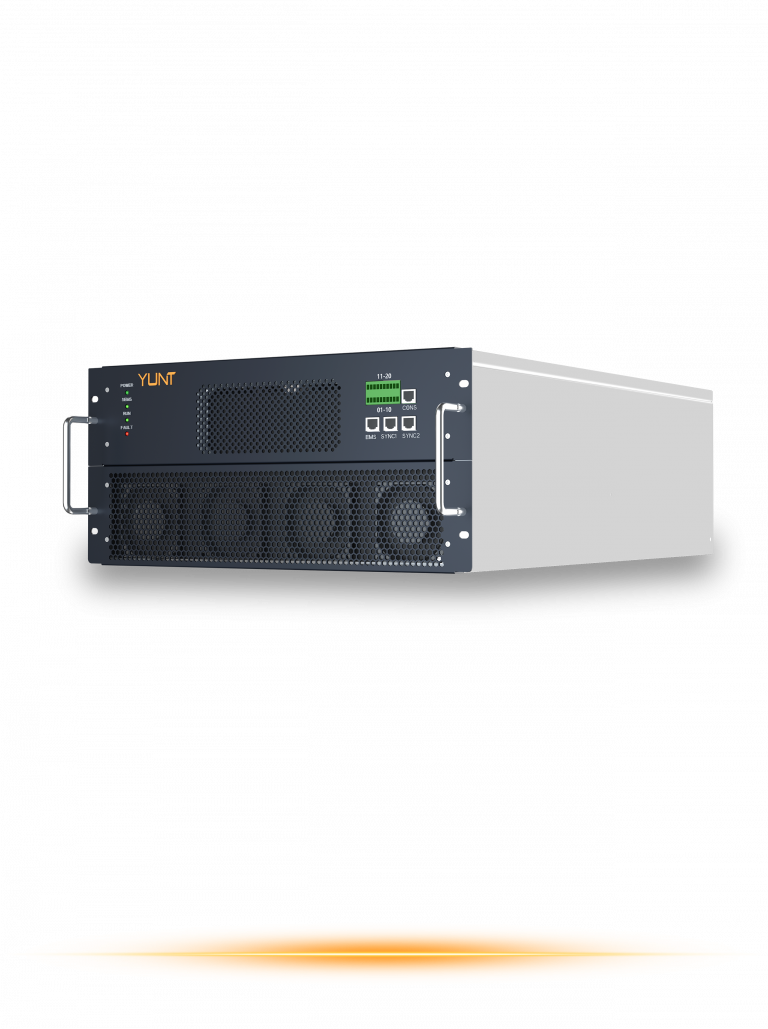
These metrics point directly at what YUNT delivers: pragmatic hardware options, accessible firmware controls, and field data pipelines that help you move from test benches to stable operations. YUNT.
Practical, measurable, and ready—apply these checks and you’ll steer your project past the common pitfalls. —