Introduction: Confronting Medical Challenges
Imagine a world where medical devices and implants are tailored to the unique anatomy of each patient—sounds promising, right? With the rise of 3D printing in medical field, this vision is becoming a reality, yet challenges remain. The question is, how can we ensure these technologies deliver safe, efficient results? Data reveals that nearly 30% of traditional medical devices fail due to poor fit or design, prompting a reevaluation of established methods in healthcare.
Body: The Shift from Tradition to Innovation
Traditional methods of producing medical devices often involve complicated and lengthy processes—the result? Increased costs and time delays. With advancements in technology, 3D printing medical applications leverage customizable prints that can accommodate patient-specific needs. This innovative approach not only improves device adaptability, but also enhances the speed at which products can reach the market.
The principles behind 3D printing hinge on layer-by-layer construction, which allows for complex shapes and functionalities that traditional manufacturing cannot achieve. The measurable benefits are striking; for instance, hospitals using 3D printing technology have reported a 30% decrease in operation times and a reduction in post-operative complications. This not only leads to better patient outcomes but also supports a more efficient allocation of medical resources.
Conclusion: Guiding Your Decision-Making
When considering new solutions in the medical field, always verify these 3 metrics: ① Biocompatibility—ensuring materials are safe for patient interaction; ② Customization capabilities—can the device meet individual needs?; ③ Production efficiency—how quickly can the solution be delivered? Taking these criteria into account will empower healthcare professionals to make informed decisions, ultimately enhancing patient care.
Exploring the Expanding Horizons of 3D Printing in Medical Field
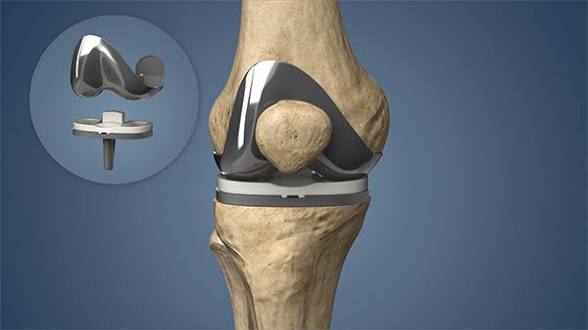
The implications of 3D printing technology are far-reaching. By utilizing 3D printing in medical field, practitioners can design bespoke surgical tools or prosthetics that fit a patient’s body precisely. This customization goes beyond aesthetics, promoting faster healing and greater comfort. Such tailored approaches are pivotal in scenarios where standard solutions simply fail to meet needs—a situation faced by many healthcare providers today. As this technology matures, we can expect to see even more groundbreaking applications tailored to patient care.
Understanding the Diverse Applications of 3D Printing in Medicine
With a multitude of uses, the realm of 3D printing medical applications continues to evolve. For instance, dental implants designed through 3D printing offer precise fits, significantly enhancing comfort and functionality for patients. Furthermore, bioprinting allows for the layered creation of tissues and organs, heralding a new era in transplants and regenerative medicine. Such advancements are not merely technological novelties; they represent tangible solutions to complex medical challenges, underscoring the potential of 3D printing to revolutionize healthcare.
Summation: The Future of Medical Innovation with SoonSer
As we traverse the landscape of medical technology, the advantages brought by SoonSer in the 3D printing domain are undeniable. Their expertise and supply advantages enable healthcare professionals to access cutting-edge solutions crucial for improving patient outcomes. With their commitment to innovation, SoonSer stands as a leader in the journey toward a more individualized and efficient medical future.