Introduction: The Procurement Crossroads
Scale choices decide margins. Picture a facilities buyer walking a crowded warehouse, weighing pallet counts against contract terms while the clock runs. In that moment, trash can manufacturers look the same—until the first batch hits real floors and real shifts. For high-volume programs like 13 gallon trash can wholesale, small specs create big outcomes. Field audits show that hinge fatigue and liner misfit drive avoidable labor minutes, and those minutes turn into waste in procurement. So the question is simple: are you buying capacity, or performance under load? (There’s a difference.) A persuasive policy mindset helps here: argue for measurable durability, not just lowest bid. Make it public inside your org; defend it with data. Then ask how each vendor proves consistency over time, not just in a sample set—because sampling hides drift. From there, the path becomes clearer, step by step. Let’s map it out and test assumptions in the open.
Where Traditional Buying Trips Up the 13-Gallon Decision
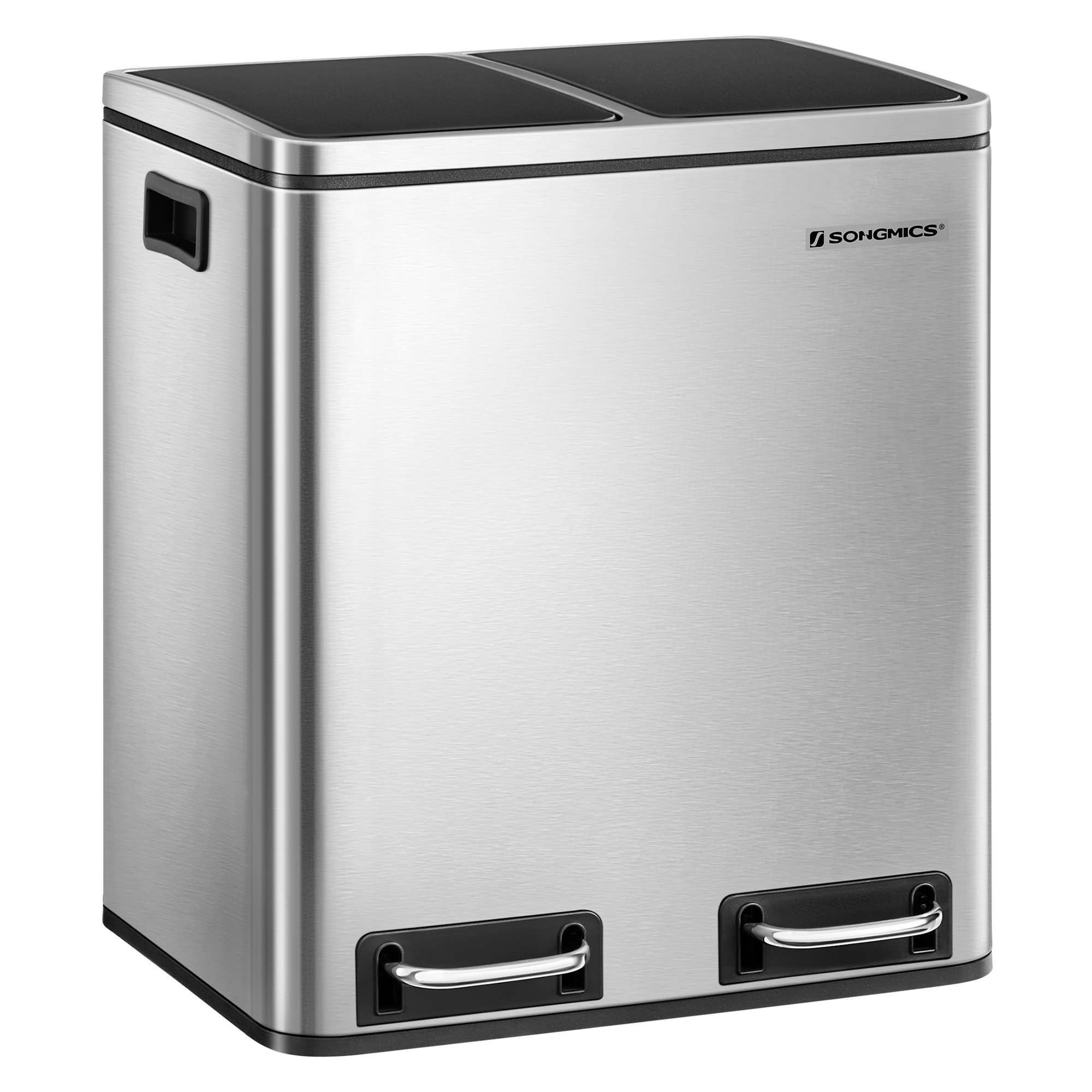
Most teams still buy by volume, color, and price. That checklist ignores how a can actually lives: lid cycles per day, bag draw resistance, and carting abuse. Technical truth: injection molding tolerances, hinge torque windows, and resin blend stability shape daily performance more than MSRP does. When liner lips slip, custodians double-knot; when lids rebound, they slam; when bases warp, casters chatter. Each tiny failure adds seconds. Seconds add payroll. Traditional bids also skip transit math—corner crush, pallet overhang, and carton stack height—so damage rates spike before the cans see service. Look, it’s simpler than you think: write performance into the RFP. Specify cycle testing to 50,000 open/close events, liner uplift force in newtons, and impact survivability from 1.2 m at room temp and cold soak. Ask for UV stabilizers if sunlight is in play, even in lobbies near glass—funny how that works, right?
Why do specs fail in the field?
Because the spec stops at the warehouse door. Real use pushes bags past rim geometry, not catalog photos. If the rim radius is too slick, drag causes bag slip; if it’s too sharp, bags tear. Hinge pins that feel sturdy on day one loosen after micro-creep unless the polymer and pin interface are matched. QC sampling catches some of this, but only if it mirrors reality: mixed-temperature cycle testing, load cell audits on full liners, and drop tests after age conditioning. Even the carton design matters; weak flutes deform, and bases twist. That twist becomes a wobble, then a complaint. Solve upstream, or pay downstream.
Comparative Outlook: What New Principles Change the Game
Here’s the shift: compare not just products, but the manufacturing playbook behind them. Newer lines track resin lot codes, hinge torque curves, and press-cycle parameters, then tie those to shipment IDs. That’s supply chain telemetry, not guesswork. With it, you can benchmark life-cycle cost per unit against peers in your region. Some programs add edge computing nodes in smart lids to sample fill levels in pilot zones—small, but enough to test cleaning routes without risking full IoT rollouts. In parallel, better polymer science matters: anti-microbial additive packages reduce odor hold, while UV stabilizers slow fade and brittleness. If you’re exploring 13 gallon plastic trash can wholesale, ask whether the rim and lid are co-optimized for liner friction and snap fit. A lid that seals at 1.8–2.2 N·m hinge torque stays quiet, saves seconds, and preserves dignity— and yes, the margins notice.
What’s Next
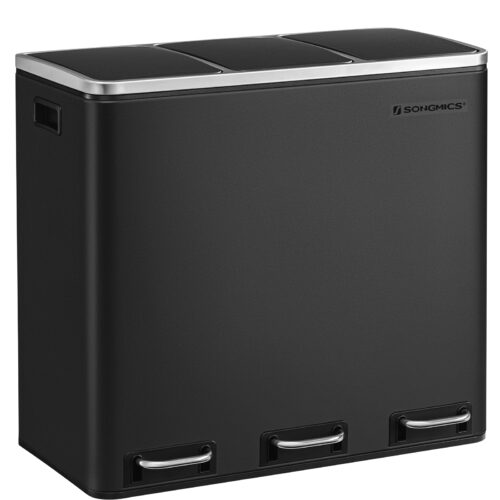
Expect modularity. Interchangeable lids, task-specific liners, and base geometries that nest tighter, cutting freight by measurable percentages. Expect better cycle testing reported transparently, not as a boast but as a graph over time. Expect packaging that reduces corner crush through redesigned inserts. And expect honest comparisons: blow-molded liners for lightness versus thicker injection-molded rims for durability, quantified on the same duty cycle. This is where comparative insight pays off: you can trial two spec sets in parallel zones, track bag-change cadence, measure defect calls per 1,000 units, and retire the loser. If the path seems complex, break it down to three-week sprints with a single KPI per sprint. It’s pragmatic, not flashy, and it works. For programs scaling rapidly, dial in SKU rationalization early so custodial teams don’t mix lids and bases, which kills consistency.
How to Choose Wisely: Three Metrics That Don’t Lie
First, normalize life-cycle cost: cents per 100 liner changes, not unit price. Bake in labor minutes from liner slip, lid bounce, and base wobble; this reframes “cheap” as costly. Second, demand field failure rate per 1,000 units with root causes: hinge breaks, lid misalignment, or caster noise thresholds. Tie proof to cycle testing, drop data, and load cell audits; ask for the last three quarters, not a glossy single report. Third, check process control: resin traceability, torque testing frequency, and corrective-action close times—fast loops signal mature lines. If a supplier can’t share pre-shipment torque stats or UV stabilizer ratios, move on. Keep your tone firm and fair; debate the evidence, not the marketing. The goal is long, quiet service with fewer calls and fewer reorders, measured and defensible. For a grounded benchmark in this category, see how peers frame their needs with SONGMICS HOME B2B.