Opening Scene: Feel, Look, and a Split-Second Choice
You ever walk down a fragrance aisle, pick something up, and just know it feels right in your hand? The next thing you grab is a round perfume bottle, and you judge it faster than you might admit. Most folks make that decision in just a few seconds, guided by weight, balance, and how the light plays off the glass—bless it. One bottle feels solid; another clinks thin. A cap twists smooth; a sprayer coughs. Data says quick cues rule the moment: hand feel, visual shine, and a clean atomizer plume often outweigh the actual scent first impression. But here’s the kicker—those cues aren’t random. They come from choices deep in the build: flint glass clarity, the fit of the crimp pump, and how well the neck finish meets the collar.
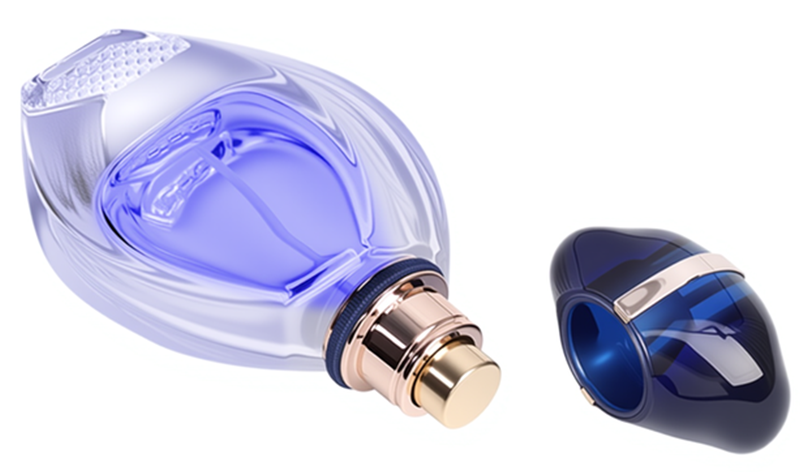
I’ve seen it time and again down here: shoppers rely on touch and sight when they’re short on time. That’s not bias; it’s human. So the question is simple: how do choices in materials and process steer what y’all pick without even noticing? (And—funny how that works, right?—the smallest tolerance can swing the whole thing.) Let’s walk through why that matters and where buying habits still trip brands up.
Pain Points You Don’t See: Specs That Say “Pass” But Feel Like “Almost”
Where do traditional specs fall short?
Brands often rely on a basic checklist and a price grid when choosing a china round perfume bottle supplier. On paper, it looks tidy: volume, neck size, wall thickness, color code. But real feel lives between those lines. Look, it’s simpler than you think—and also more exacting. If mold cavity wear isn’t tracked, you get small shifts in symmetry that the eye reads as “cheap.” If the annealing lehr profile drifts, micro-stress makes bottles ring thin or chip at the rim. A sprayer pump might meet flow spec, yet atomize poorly, leaving big droplets instead of a fine plume. The fix is rarely “just change the cap.” It’s matching neck-finish tolerance to torque spec, verifying run-to-run stability, and sampling glass by position in the kiln, not only by count. Traditional solutions treat the bottle like a commodity line item; the shopper treats it like a promise. That mismatch shows up as loose collars, wobbly caps, and off-center labels that your QC sheet never flagged—until customers do.
Forward Look: New Principles That Turn Small Cues Into Big Wins
What’s Next
The next step isn’t more pages in the spec. It’s smarter control of the tiny signals people feel. Modern lines use inline vision systems to check shoulder symmetry and neck roundness in real time, rejecting drift before a pallet stacks wrong. Some round perfume bottle manufacturers now pair cavity-level traceability (QR on cartons linked to cavity ID) with AI defect maps, so you see which tooling pocket causes lean or ovality. On the packaging side, torque sensors verify closure range, while bench tests confirm atomizer plume geometry—not just flow rate. Add recycled flint glass with tighter melt monitoring, and you can keep clarity while lowering variance. Semi-formal truth here: consistency is a design feature, delivered by process, not luck. And when the bottle sits in light, AR-coated inks or UV-stable pigments keep shelf optics bright—funny how a week in a sunny window can tell on cheap ink, right?
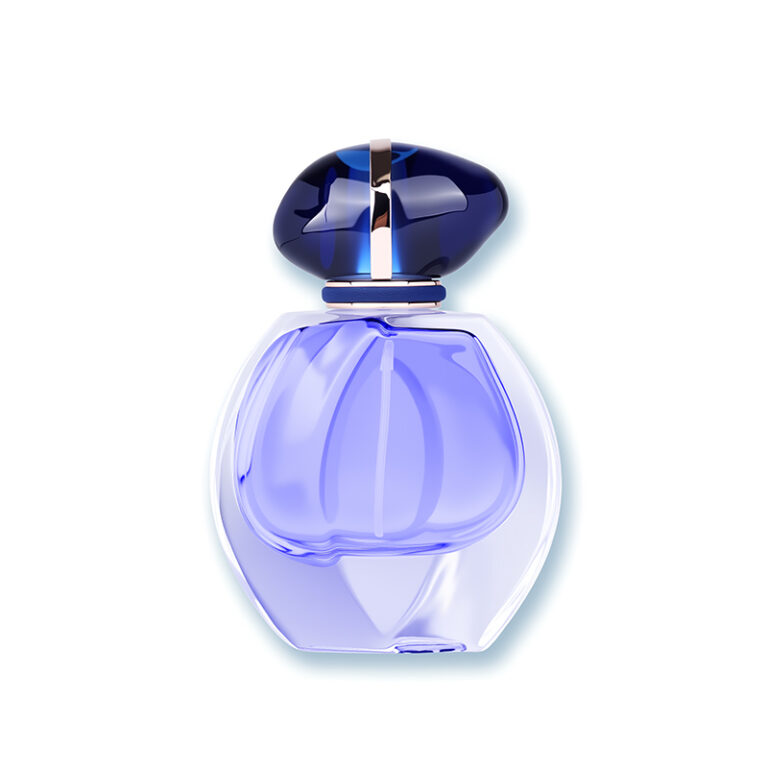
Put it all together and the pattern is clear: shoppers trust weight that feels centered, a cap that stops with a soft click, and a spray that mists fine without sputter. Those wins come from upstream choices—vision checks, cavity tracking, anneal tuning, and honest fit testing between collar and neck. Compared to the old “inspection at the end” method, these principles reduce returns, make labeling straighter, and keep batches uniform across regions. The lesson from earlier sections holds without repeating it: specs are the start, but control is the story.
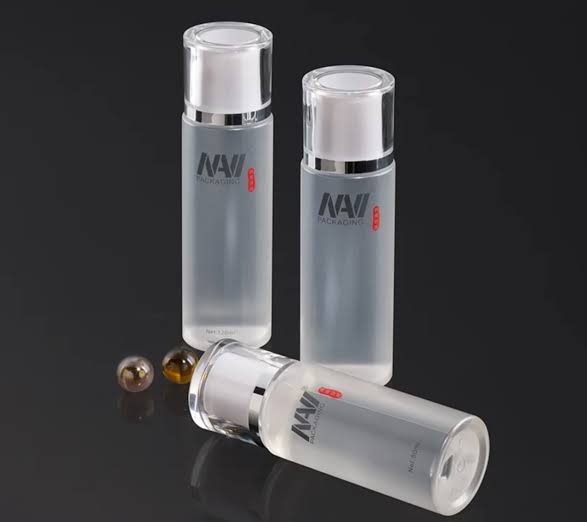
Advisory close, so you can act now: 1) Process capability—ask for cavity-level Cpk on neck finish and shoulder symmetry; 2) Functional fit—verify torque window and atomizer plume distribution on the actual glass, not only on lab fixtures; 3) Stability over time—require annealing data and run-to-run variance reports, not just a single COA. Do that, and your bottle will feel right, look true, and spray clean. For a grounded conversation on what data to request and why, see NAVI Packaging.