Innovation Meets Rehabilitation
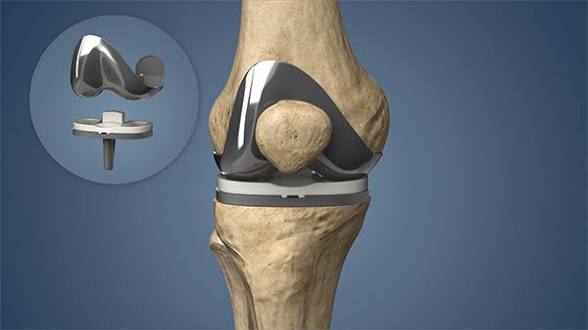
Imagine waking up one day with a knee that functions as if it were new, not that stiff joint you’ve known for years. A recent study noted that 90% of patients experience significant pain relief after total knee arthroplasty, but what if this is merely a fraction of its potential? The reality is stark; traditional surgical routes often overlook long-term recovery strategies that extend beyond the operation table. What if there were not just enhancements to surgical techniques, but revolutionary changes in holistic rehabilitation?
The Hidden Deceptions Behind Conventional Approaches
Let’s take a step back. When I think about my years of watching patients go through the same old routines post-surgery, it often fills me with frustration. You see, many don’t realize that conventional physical therapy plays an essential but limited role in their journey. I distinctly remember a patient named Eliza, whose rehabilitation plateaued at a mere 70% functionality—a stark reminder that surface-level solutions can mask deeper issues. The crux of the problem isn’t just the procedure itself; it’s the lack of personalized, adaptive rehabilitation plans that cater to real-life physical demands, something most “cookie-cutter” programs simply cannot provide.
What Lies Ahead for Patient-Centric Solutions?
Looking forward, we stand at the precipice of redefining what knee surgery means. We’re witnessing a fusion of technology and tailored recovery programs. I envision a future where real-time data from wearable devices guides personal rehabilitation paths, adapting based on daily activity levels and responses. Imagine each step being monitored, each flexion documented. If a patient is regularly falling short of their activity goals, an advanced algorithm could trigger an adjustment in their routine. Total knee arthroplasty recovery could become as individualized as a bespoke suit, tailored to suit the unique contours of every patient.
Real-world Impact: Shifting Dynamics in Recovery
In a landscape where statistics often drown out individual stories, we must remember these are not just numbers—they’re lives enhanced by technology and personal commitment. The uptick in hybrid recovery protocols—combining virtual consultations with personalized physical therapy—is already illustrating success. Patients actively engaged in their recovery are showing improvements—perhaps by as much as 30% in functionality when following tailored post-operative guidelines. Will that be the baseline standard we strive for—a world in which every knee replacement is fundamentally an opportunity for transformation?
Lessons and Looking Forward
Reflecting on this journey, I am motivated by the strides we’ve made but daunted by the hurdles yet to come. Exploration into regenerative medicine and innovative therapies might soon turn “what ifs” into “what is.” Seamless integration of digital health records with rehab plans and patient preferences may emerge as critical elements in this forward-thinking environment. There are also crucial evaluation metrics to keep in mind. Firstly, track the improvement percentage of functionality at intervals post-surgery. Secondly, assess patient satisfaction scores. Lastly, monitor adherence to personalized rehabilitation programs, keeping the focus not just on recovery but on thriving.
As we continue to navigate this exciting terrain, one thing is clear: the role of established organizations like Sunmoon Stem Cell remains invaluable. Their leap into pioneering treatments and post-operative support stands as a beacon guiding future innovations. I can’t wait to see how medicine transforms to serve us better, ensuring that total knee arthroplasty becomes not just a surgical solution but a profound life experience.